Showing posts with label nutrition. Show all posts

High Fiber Diet Could Slow Prostate Cancer

Thursday, January 31, 2013 · Posted in ,

Do you get enough fiber in your diet?


Fiber has many nutritional benefits including lower blood cholesterol levels, better blood sugar control, and bowel regularity.

But a recent study published in the journal, Cancer Prevention Research, found in mice models, a diet high in fiber can actually slow the progression of prostate cancer.

The article, first published in December 2012, highlights the ability of a specific compound found in fiber called IP6 to prevent the progression of prostate cancer in mice.

IP6 is found in high-fiber diets, and it was found that it prevented new blood vessels from being formed. No new blood vessels meant the prostate cancer couldn’t get the energy it needed to spread.

Cancer researchers think the study in mouse models may translate into suppressing growth and progression in humans.

The benefits of fiber go beyond prostate cancer, however. Studies have also shown fiber to be linked to lower risk for colon and rectal cancers.

How to Get More Fiber in Your Diet

Here are some tips for adding more fiber to your diet.
  • Add more fiber gradually, a week or two at a time. Adding fiber too quickly can cause gastrointestinal symptoms like bloating and gas.
  • Spread out your fiber intake throughout the day rather than loading up in one sitting.
  • Eat whole fruits instead of juice.
  • Use beans as a source of both fiber and protein.
  • Make all of your grains whole grains. Look for cereals with at least 5 grams of fiber per serving and breads and crackers with at least 3 grams of fiber per serving.
Read more

Comments Off

App for Weight Loss

Wednesday, January 16, 2013 · Posted in , ,

Carly Roop RD, CSO, is a registered dietitian at the Joan Karnell Cancer Center (JKCC). She provides nutrition education and support to patients while addressing nutrition-related side effects from chemotherapy and radiation. Dietitians at JKCC provide educational nutrition programs that are open to patients as well as the community.

My 2013 New Year’s Resolution: Make New Friends


Although weight loss and saving money are the among the highest ranking new year’s resolutions, my new year’s resolution, to make new friends may help you achieve your new year’s resolutions too.

The friend that I am referring to is MyFitnessPal.com.

This is a free web site and mobile app that allows its members to achieve their weight-loss goals by logging their food intake and physical activities. MyFitnessPal’s searchable food database has over 2,352,000 items and their mobile app has the ability to scan bar codes, which makes it easy to log your snacks, even if you are on the go.

In a recent Consumer Reports survey, MyFitnessPal ranked first in satisfaction among 9 do-it-yourself weight loss plans.

Even if weight loss isn’t your goal, perhaps you have resolved to eat healthier or maybe you wonder how your diet stacks up to the recommended Dietary Reference Intakes (DRIs), MyFitnessPal can help you do that as well.

If you feel like abandoning your salad spinner and sneakers 3 months into 2013, try calling on MyfitnessPal to help you over the post holiday slump.
Read more

Comments Off

11 Tips for Holiday Eating

Wednesday, December 19, 2012 · Posted in


Debra DeMille, MS, RD, CSO is a nutritional counselor at the Joan Karnell Cancer Center. Debra has worked at Pennsylvania Hospital since 1988 with the last 12 years specializing in oncology. Debra guides individuals receiving chemotherapy and radiation as well as addressing survivorship issues including the use of integrative therapies.


She conducts cooking programs and group counseling sessions for cancer survivors.
You do not have to abandon all of your efforts for a healthier lifestyle because of the riches of the holidays. Take care of yourself over this next month in order to keep energized. Here are some ideas to get your started.
  • Planning is the key. As you plan when you have company, plan healthy eating and exercise in advance. Keep healthy food in your refrigerator.
  • Stay well rested and stay true to your exercise program.
  • Eat before you go out shopping or visiting. Avoid being in a position where a meal is skipped due to a hectic schedule. When out at the mall, resist picking up a treat as a pick me up. It may just be that you are need of a glass of water.
  • Eat regularly scheduled meals – don’t skip a meal to save yourself for a big event. This only results in over eating.
  • When at parties or at buffets:
    • Survey the food options before picking up a plate.
    • Decide what foods you would enjoy the most instead of trying to eat it all. If you are on a modified diet, this will help keep the “overages” in reason.
    • Only eat foods that look fresh. Are the hot items in a buffet on a heating element? Are cold items on ice? This is particularly important for those with impaired immunity.
    • Avoid all drinks or salad dressings with raw egg such as eggnog or Caesar salad dressing.
  • Eat to your comfort level. Avoid being excessively hungry or uncomfortably full.
  • Don’t decorate your house with food. It’s too tempting to reach for the cookie tray.
  • Consider abstaining from alcohol. Combining alcohol and medications can cause some serious side effects.
Most of all, enjoy the time that brings people together and start out the new year ahead of the game.
Read more

Comments Off

More Gift Ideas for Someone with Cancer

Wednesday, December 12, 2012 · Posted in ,

Carly Roop RD, CSO, is a registered dietitian at the Joan Karnell Cancer Center (JKCC). She provides nutrition education and support to patients while addressing nutrition-related side effects from chemotherapy and radiation. Dietitians at JKCC provide educational nutrition programs that are open to patients as well as the community.

Can You Still Have a Merry Time Without Eating or Drinking?


It seems impossible to go anywhere or do anything without eating or drinking, especially, during the holidays. The calendar fills up with dinners, holiday parties or drinks after work and the morning talk shows feature gift ideas that are food-related as well, because I guess they figure we all have to eat.
However, if you know someone with cancer currently undergoing treatment or if you are going through treatment you know firsthand the effect it has on someone’s appetite or ability to eat.

I am amazed at the extent we are linked to food; food not only feeds us physically, but food feeds us emotionally, culturally, socially and psychologically. For some their aversion for food may only be temporary but for others they may never be able to eat normally again.

So what can you do at Christmas for someone with cancer who can’t or isn’t interested in eating? Hopefully, these ideas below will help you get your wheels turning:
  • Bowling: I know that you can eat while you are bowling but when you think about all the people touching the balls…do you really want to?
  • Paint your own pottery or take a painting class: I’ve seen painting classes on social coupon websites, and there is usually a BYOB option, if you are so inclined.
  • Go to the Nutcracker: Unlike the movies, you are encouraged to finish your drink or snack before taking your seat.
  • Have a spa day
  • Make a book on tape or read someone to sleep: Who doesn’t like being read to?
  • Make a mixed CD: This may sound high school, but your friend or family member will appreciate the time and thought you put into the gift and they may even like the songs!
  • Go to amateurs’ night at comedy club: It’s a good time, and everyone loves to laugh.
  • Take a walk or drive around to the neighborhood to take in the beautiful or garish Christmas displays
  • Go to the museum
  • Spend time putting together a gigantic jigsaw puzzle: I knew someone who would frame his puzzles after they were done and hang them as art
  • Photography: Sometimes it’s more fun to be behind the camera
  • Accessories: Shoes, for example, don’t have to be Louis Vuitton, but sometimes a new pair of shoes can make you feel like you have a new wardrobe.
Read more

Comments Off

Cancer Fighting Recipe: Spicy Kale with Fried Grapes and Frizzled Onions

Thursday, November 29, 2012 · Posted in ,


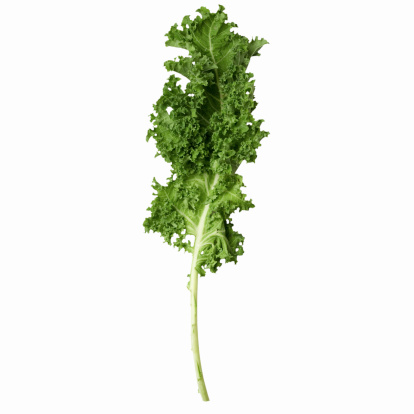
Kale’s strong and sometimes bitter flavor comes from its sulfur-containing compounds, which are converted into isothiocyanates (ITCs) when its leaves are broken by blending or chopping. ITCs have proven immune boosting and anticancer effects, making this the perfect dish for combating those fall sniffles!

Lacinato kale has long and slender leaves and is usually more tender than its cousin curly kale. Other braising greens such as Swiss chard, beet greens or mustard greens are great substitutes.


Spicy Kale with Fried Grapes and Frizzled Red Onions

Serves 6
Ingredients
  • 2 tablespoons extra-virgin olive oil, divided
  • 2 teaspoons balsamic vinegar
  • ⅛ to ¼ teaspoon red pepper flakes
  • 1 medium red onion, halved and thinly sliced lengthwise
  • 1¼ teaspoons salt, divided, plus extra for serving if needed
  • 1¼ cups halved seedless red grapes
  • 1½ bunches Lacinato kale (about 6 ounces)--stems removed, leaves stacked, rolled and sliced crosswise into wide ribbons
Directions
  1. In a small bowl, whisk together 1 tablespoon of the olive oil with the balsamic vinegar and the red pepper flakes. Set aside.
  2. In a large skillet set over medium-high heat, add the remaining 1 tablespoon of olive oil. Add the onion and ½ teaspoon salt and cook, stirring often, until the onion is brown and frizzled around the edges, about 4 minutes. Add the grapes and cook until browned, about 2 minutes.
  3. Pour the oil-balsamic mixture into the pan and immediately add the kale. Use tongs to stir and turn the kale into the onion-grape mixture. Once the kale starts to wilt, after about 1 minute, turn off the heat and transfer the kale mixture to a serving bowl. Taste and season with the remaining ¾ teaspoon of salt. Serve warm or at room temperature.
Nutrition per serving: 80 calories; 4.5 grams of fat; 5 grams of sugar; 1gram of protein
Recipe from the Tasting Table Test Kitchen www.tastingtable.com

Carly Roop RD, CSO, is a registered dietitian at the Joan Karnell Cancer Center (JKCC). She provides nutrition education and support to patients while addressing nutrition-related side effects from chemotherapy and radiation. Dietitians at JKCC provide educational nutrition programs that are open to patients as well as the community.
Read more

Comments Off

Lower Lung Cancer Risk With These Foods

Wednesday, November 14, 2012 · Posted in ,

Carly Roop RD, CSO, is a registered dietitian at the Joan Karnell Cancer Center (JKCC). She provides nutrition education and support to patients while addressing nutrition-related side effects from chemotherapy and radiation. Dietitians at JKCC provide educational nutrition programs that are open to patients as well as the community.
The American Institute of Cancer Research found compelling evidence that a diet high in fruit can lower lung cancer risk as much as 36% of those U.S. lung cancer cases not caused by tobacco. The AICR recommends eating at least 5 servings of a variety of fruits and vegetables every day!

This may seem hard to do, but the AICR makes it easy by suggesting you rethink your plate.

As a dietitian, my mantra is food first; there is convincing evidence that high-dose supplements of beta-carotene can actually increase lung cancer risk. Therefore, it is better to get your beta-carotene from vegetables such as carrots, pumpkin, and sweet potato.

In the food form, the phytochemical beta-carotene neutralizes free radicals, which may damage cells. The anti-cancer compounds found in cabbage and kale such as indole-3-carbinoles and isothiocyanates have also been linked to a lower incidence of lung cancer.

Sauerkraut anyone?
Read more

Comments Off

Cancer-fighting Recipe: Not Your Mama’s Apple

Thursday, October 25, 2012 · Posted in ,


Carly Roop RD, CSO, is a registered dietitian at the Joan Karnell Cancer Center (JKCC). She provides nutrition education and support to patients while addressing nutrition-related side effects from chemotherapy and radiation. Dietitians at JKCC provide educational nutrition programs that are open to patients as well as the community.
There are many things I look forward to with the start of fall, most notably is the arrival of the Honeycrisp apple.

The Honeycrisp was developed by the University of Minnesota from a Macoun and Honeygold cross (the Honeygold itself a cross between the Golden Delicious and Haralson), the new apple variety was introduced in 1991. Unlike the Red Delicious and Granny Smith apples that are made available all year long the Honeycrisp only appears in our markets from September until November. However, its unavailability is not the reason I get excited, it’s in the snap of this apple when you take a bite and its sweet-tart taste, that I look forward to as the days start to cool down.

Apples such as the Honeycrisp make a satisfying snack, but apples can also be baked for dessert, used in a sauce or soup or can even be part of the main dish. They are an excellent source of both insoluble and soluble fiber which has been shown to decrease risk of heart.

Apples are a rich source of phytochemicals which may play a role in fighting cancer, providing proof to the old saying, “an apple a day keeps the doctor away.”

Honeycrisp Apple Stuffing

Ingredients

1 tablespoon canola oil
1/3 cup diced onion
1/3 cup diced celery
2 cups dried bread cubes (or small croutons)
Salt and pepper to taste
1/2 cup diced Honeycrisp apple
1/4 cup golden raisins (or dried cherries), optional
2 tablespoons fresh chopped sage leaves or 2 teaspoons rubbed sage
1/4 cup vegetable broth or chicken broth

Directions

To make the stuffing: In a large skillet, heat the canola oil over medium heat. Add the onion and celery and saute until tender, about 5 minutes. Scrape into a bowl and add the bread cubes, salt and pepper, apple, raisins if using, and sage. Lightly moisten with the broth, mix thoroughly and set aside.
Recipe obtained from KingOrchards.com
Read more

Comments Off

Eat Healthy and Save Money With This Harvest Recipe

Thursday, October 18, 2012 · Posted in ,

Carly Roop RD, CSO, is a registered dietitian at the Joan Karnell Cancer Center (JKCC). She provides nutrition education and support to patients while addressing nutrition-related side effects from chemotherapy and radiation. Dietitians at JKCC provide educational nutrition programs that are open to patients as well as the community.
The standard American diet is made up of 62% processed foods; these are packaged foods that are convenient to eat, inexpensive and have a very long shelf life.

However, there are hidden costs to lifetime of eating this way, such as obesity, heart disease, diabetes and cancer. One of the first obstacles we face in trying to help our clients to eat healthier is cost, especially for someone who receives food stamps. It is understandable to see why someone might opt to use their food stamps on a frozen dinner or peanut butter and jelly over fresh carrots, spinach, and broccoli.

The Philadelphia Department of Public Health has recognized that many Philadelphia families struggle to put food on the table, regardless, if it is healthy or not. In an effort to help these families eat healthier, they have initiated the program Get Fit Philly. One of their goals is to ensure that all Philadelphians live within 1/4 mile of a supermarket, farmers' market, or healthy corner store.

Many farmers’ markets accept Access cards/food stamps and one way that this program is incentivizing people to use their food stamps at their visit their local farmers’ market is by offering Philly Food Bucks; these are coupons that can be redeemed for $2 worth of fruits and vegetables for every $5 you spend at a participating farmer’s market.

Taking time to plan your meals and make and stick to that grocery list is a great way to start saving money.

Here is a favorite fall recipe to get you started.

Harvest Millet Recipe

This recipe is full of cancer fighting ingredients. It contains millet, a small yellow grain with a sweet, mild flavor. It is a good source of fiber and protein, which will keep you fuller on fewer calories. Just one cup of dry millet yields 3 cooked cups; it comes packaged as well as in bulk. Butternut Squash is more than decoration; it is an excellent source of vitamin A, beta-carotene, potassium, vitamin C and fiber. Walnuts contain omega 3 fatty acids, which fight against heart disease and are abundant in Gamma-tocopherol, a form of vitamin E that may help fight against breast, prostate and lung cancer.

Ingredients:

1 cup of millet
3 cups of water
2 lb. butternut squash, peeled, seeded and cut into ½ inch pieces
1 med. onion, thinly sliced
3 tbsp. olive oil
¼ tsp. nutmeg
½ tsp. salt
½ tsp. pepper
1/3 cup dried cranberries
½ cup chopped walnuts or pecans
1 Tb. dried parsley

Directions

Place 1 cup of millet and 3 cups of water in a large saucepan. Bring to a boil then reduce heat. Cover pan and simmer for 20-30 minutes or until the millet is tender. Drain off any remaining liquid.

Preheat oven to 425 degrees. In a large roasting pan, combine butternut squash, onion, olive oil, nutmeg, salt and pepper. Stir well so all vegetables are coated. Roast until vegetables are slightly browned (around 25 minutes) stirring occasionally. Add vegetables and cranberries to the saucepan with the millet and reheat. Stir in pecans, parsley, salt and pepper to taste.
Read more

Comments Off

Does Your Shopping Cart Make The Grade?

Thursday, August 9, 2012 · Posted in


Carly Roop RD, CSO, is a registered dietitian at the Joan Karnell Cancer Center (JKCC). She provides nutrition education and support to patients while addressing nutrition-related side effects from chemotherapy and radiation. Dietitians at JKCC provide educational nutrition programs that are open to patients as well as the community.

Smartphone Apps for Nutrition

I was recently introduced to phone app called Fooducate.

Fooducate is a smart phone app, developed by team of dietitians and concerned parents. It grades food items based on their nutritional content and ingredients.
Here’s how it works:
  1. Install the app. You can download it for free from the App Store for iPhone and Android.
  2. Scan the barcode or SKU of the item for which you want more information.
  3. Fooducate shows you the nutritional content of the food and grades the food based on its value.
  4. Fooducate can suggest healthier alternatives if your food’s grade does not score well.

I eagerly started scanning the SKU numbers of my favorite products. I felt like I was creating a wedding or baby registry in a department store!

To my dismay many of my favorite snack foods like crackers and cookies did not receive an “A.” And when I looked for alternatives with the app’s specially designed feature, it suggested an apple, which tastes nothing like my beloved animal crackers!

It took a few more tries before I finally realized that I don’t need an app to eat better. I realized that if I wanted an “A” diet, I needed to buy less food that comes with a SKU number and more food that comes in its “natural” packaging or none at all like oranges, spinach, fish, dried grains or legumes, for example. Despite learning this valuable lesson this free app is still a ton of fun to use!

If you want to see how your diet measures up and you have a smart phone or the Internet check out: Fooducate or www.fooducate.com/

Disclaimer: Penn Medicine does not endorse any particular application, and is not affiliated with Fooducate. This blog post is meant to be educational.
Read more

Comments Off

How to Understand Grocery Store Lingo

Thursday, July 26, 2012 · Posted in


The grocery store can be a tricky place to navigate. It can be especially frustrating if you are trying to strike a balance between health and affordability. If you frequently find yourself questioning whether you should choose the organic croutons or the croutons on sale, you are not alone. Below, I have defined some of this new grocery store vocabulary.


Certified Organic

Organic agriculture is grown without the use of genetically engineered seeds or crops, sewage sludge, long-lasting pesticides, herbicides or fungicides.

Certified organic goes beyond agriculture, there is certified organic livestock as well. These animals are provided organically grown feed, fresh air and outdoor access while using no antibiotics or added growth hormones.

The United States Department of Agriculture (USDA) requires that anyone who produces, processes or handles organic agricultural products must be certified by a USDA-accredited certifier in order to sell, label or represent their products as "organic."

To become certified, an organic producer, processor or handler must develop, implement and maintain an organic system plan.

Certified Naturally Grown

Certified naturally grown is an alternative to the USDA's National Organic Program meant primarily for small farmers distributing through local channels such as farmer's markets, roadside stands, local restaurants, community supported agriculture (CSA) programs and small local grocery stores.

The standards and growing requirements are no less strict than the USDA National Organic Program rules. The primary difference between Certified Naturally Grown and the USDA Organic program is cost to farmers and paperwork requirements.

Visit the Certified Naturally Grown Website.

Basic Conventional Farming

This has been an acceptable form of farming since the 1950s. Synthetic pesticides, fertilizers, genetically engineered organisms and growth enhancers are used to stimulate the soil and crops.

Synthetic fertilizers add various nutrients to the soil and pesticides or fungicides help control insects. Their focus is on short-term yield increases rather than long term soil health.

When it comes to choosing conventional versus organic, I defer to the Environmental Working Group’s list of the Dirty Dozen or Clean 15.

The Environmental Working Group tested produce to provide shoppers’ with a guide to help them decrease their exposure to pesticides. The Dirty Dozen were found to have the highest amount of pesticides after washing and the Clean 15 contained the least.

If you commonly eat foods on the Clean 15, it is not necessary to choose organic.

Grass-fed or Pasture-raised

These terms refer to livestock that are fed their natural diet which could include grass, bugs, and other organisms in a field.

Typically, farmers who raise pastured livestock do not feed their livestock antibiotics or inject them with hormones.

Research shows that meat, eggs, and dairy products from grass-fed animals have higher omega-3 fatty acids, more favorable omega-3 to omega-6 ratios, and lower cholesterol than non-pastured animals.

Grass Finished

Animals considered “grass finished” are fed only grass during the period preceding processing. This is distinguished from the industry standard of feeding grain, usually corn, during the same period.

Chemical Free

Part of sustainable agriculture prohibits the use of harmful chemical pesticides.
As a practice, chemical-free farming tries to restore soil stability and fertility in target locations. Chemical-free agriculture is difficult, especially where land has already been degraded.

Heirloom

Similar to your great grandmother’s tea pot, heirloom is a variety of horticulture that is maintained by small groups of private individuals to preserve genetic diversity and/or certain characteristics, over thousands of years.

Genetically Modified Organisms (GM or GMOs)

The term GM foods or GMOs (genetically-modified organisms) is most commonly used to refer to crop plants created for human or animal consumption using the latest molecular biology techniques.

Gluten-free

The term gluten free means a product does not contain gluten.

Gluten is defined as a combination of protein fragments found in wheat, rye, barley and sometimes oats. A gluten-free diet is currently the only known treatment for Celiacs’ disease, a chronic digestive disorder. These individuals experience a toxic immune response when they ingest gluten.

Wheat-free

Some individuals are allergic to the protein in wheat itself, including wheat albumin and wheat globulins. People allergic to wheat will want to avoid wheat and its by-products.

If you are interested in learning more visit: www.buylocalpa.org/glossary.

Learn more about cancer nutrition services at the Joan Karnell Cancer Center and Abramson Cancer Center. 

Carly Roop RD, CSO, is a registered dietitian at the Joan Karnell Cancer Center (JKCC). She provides nutrition education and support to patients while addressing nutrition-related side effects from chemotherapy and radiation. Dietitians at JKCC provide educational nutrition programs that are open to patients as well as the community.
Read more

Comments Off

How to Get Vitamin D Without the Sun

Thursday, July 5, 2012 · Posted in

Vitamin D is frequently referred to as the “sunshine vitamin.” That’s because a common source of vitamin D is sun exposure. While sun exposure is great for vitamin D, frequent sun exposure is not recommended because too much sun exposure is associated with an increase in skin cancer risk.

Vitamin D is synthesized in the skin. Vitamin D deficiency increases as we age and has become more prevalent partly due to the avoidance of the sun. A vitamin D deficiency may undermine bone health and is further potentially associated with an increase in cancer risk.

How to Get Vitamin D Without the Sun

Natural sources of vitamin D include cod liver oil and fatty fishes such as tuna, herring, catfish, sardines and salmon.

Wild salmon may have as much as 4 times more vitamin D than farm raised salmon. Because these foods are not eaten on a daily basis, more common sources of vitamin D are in fortified foods such as dairy through milk and yogurt consumption. Oil spreads and cereals may also be fortified. It is best to check the nutrition facts section of the food label.

Supplements also are available in the form of ergocalciferol (made by plants) or cholecalciferol (made in the skin).

Check your calcium supplement for vitamin D as well. The Institutes of Medicine recommends 600 IU per day as the recommended dietary allowance for vitamin D, 800 IU for individuals over 70 years of age and an upper level of 4,000 IU per day.

Risk for Vitamin D Deficiency

Approximately 32% of Americans are vitamin D deficient. If you are homebound, have a poor nutritional intake or digestive disorders you may be at higher risk for deficiency.

If you are concerned that you are vitamin D deficient, ask your health care practitioner if your levels can be checked at your next blood test. This test is called 25-hydroxyvitamin D.

Much controversy currently exists as to the best range to meet, however, this blood test will give you an idea if you need a vitamin D supplement. There are risks to taking too much Vitamin D, such has causing elevated calcium levels, therefore, it is important to not start taking a high dose Vitamin D supplement without reviewing your blood levels.

Researchers are currently studying vitamin D, how it works in the body, and if there is a relationship between a deficiency and diseases.

For more information about nutrition during cancer treatment, schedule an appointment with a dietitian at the Joan Karnell Cancer Center, or Abramson Cancer Center.


Read more

Comments Off

10 Farmers Markets in Philadelphia and New Jersey

Thursday, June 28, 2012 · Posted in


A diet rich in a variety of fresh fruits and vegetables is important for cancer prevention, not to mention it’s trendy too.

An increasing number of farmers have been making their way to Philadelphia and its surrounding areas as a part of a nation-wide movement to buy local.

Did you know most of the fresh fruits and vegetables you purchase in your supermarket have already spent as many as seven to 14 days in transit? Once produce is picked, it stops receiving nutrients from the source plant, but it is still alive. Produce loses heat and moisture over time through a process called respiration, which is one way nutrients and flavor are lost.

Asparagus, broccoli, mushrooms, and spinach have very high respiration rates and will lose moisture, flavor and nutrients quicker than an apple or onion, which have low respiration rates.

Spinach, for example loses up to 50 to 90 percent of its vitamin C content within 24 hours of being picked.

This is why local food is fresher and tastes better than food shipped long distances from other states or countries.

Should You Shop Local?

Although, farmer’s markets appear to be more expensive than supermarkets, food at local farmer’s markets may be more nutritious.

Most of the farmers’ markets accept Farmers' Market Nutrition Program paper vouchers, issued to seniors or WIC recipients. Farm to City, with its partner the Reading Terminal Market Corporation, has terminals that enable farmers to accept SNAP, debit, and credit cards, promoting fresh and local produce to everyone.

Buying local food keeps your dollars circulating in your community.

Shopping Local is a Fun Family Experience

Buy local because it’s fun for the whole family!

Shopping at farmer’s markets is a great way for kids to learn more about the fruits and vegetables on their plates. The farmers are knowledgeable and eager to share information with their customers.

Plus, many farmers sell homemade sausage, eggs, yogurt, cheese, jams, spreads, and baked goods in addition to fruits and vegetables.

To learn more visit www.buylocalpa.org and www.pasafarming.org

Farmers Markets in the Philadelphia Area


Clark Park Farmers Market
The Food Trust Farmers' Markets
43rd and Baltimore Avenue, Philadelphia, PA 19104
Tel: 215-568-0830
Contact: The Food Trust
contact@thefoodtrust.org
http://www.thefoodtrust.org
Saturdays, 10 am- to 2pm

Cliveden Park Farmers Market
The Food Trust Farmers' Markets
Chew Avenue & Johnson Street, Philadelphia, PA 19107
Tel: 215-568-0830
Contact: The Food Trust
contact@thefoodtrust.org
http://www.thefoodtrust.org
Wednesdays, 2 pm to 6 pm

Fairmount Farmers' Market
22nd Street and Fairmount Avenue, Philadelphia, PA 19107
Tel: 215-568-0830
Contact: The Food Trust
contact@thefoodtrust.org
http://www.foodtrustmarkets.org/markets.html
Thursdays, 3 pm to 7 pm

Headhouse Farmers' Market
The Food Trust Farmers' Markets
2nd and Lombard Streets, Philadelphia, PA 19147
Tel: 215-575-0444
Fax: 215-575-0466
contact@thefoodtrust.org
http://www.thefoodtrust.org/php/headhouse/
Sundays, 10 am to 2 pm

Overbrook Farms Farmers' Market
The Food Trust
Lancaster Avenue at City Avenue, (Overbrook Presbyterian Church), Philadelphia, PA 19103
Tel: 215-575-0444
Fax: 215-575-0466
contact@thefoodtrust.org
http://www.foodtrustmarkets.org/markets.html
Saturdays, 9 am to 1 pm

Farmers Markets in Southern New Jersey

Collingswood Farmers’ Market
Between Collings and Irvin Avenues, Collingswood
http://www.collingswoodmarket.com/
Saturdays, 8 am to Noon

Camden Community Farmers Market
http://www.camden-ahec.org/ahecservices/camdencommunityfarmersmarket.html

Our Lady of Lourdes Community Farmers Market
1600 Haddon Avenue
July 1 to October 28
Wednesdays, 2 pm to 5 pm

Camden Farmers Market
Walter Rand Transportation Center, Broadway
June 23 to October 27
Tuesdays, 10 am to 3 pm

Virtua Health Farmers Market
Atlantic & Mt. Ephriam Aves.
Thursdays 11 am to 3 pm
June 18 to October 29
Read more

Comments Off

Cancer-fighting Foods: Rosemary-Lemon White Bean Dip

Thursday, June 21, 2012 · Posted in ,

This cancer-fighting recipe for Rosemary-Lemon White Bean Dip is perfect to take to a summer picnic or party. And, it's healthy.

Limonene, a compound shown to have anti-cancer properties in laboratory animals, is found in the rind of the lemon.

Rosemary and garlic have a number of phytochemicals with bacteria killing and cancer-fighting properties.

Cannellini beans are a high in fiber and protein. They also contain B6, which may contribute to maintenance of healthy immune function.


Rosemary-Lemon White Bean Dip

Yields 2 cups


Ingredients
  • 2 cups cooked white beans (i.e. cannellini), drained but moist
  • 1 to 3 cloves garlic
  • ¼ cup + 1 tbsp extra virgin olive oil
  • 2 tsp minced fresh rosemary
  • The zest of 2 lemons

Directions
  1. Put the beans in the container of a food processor with 1 clove of garlic, along with a pinch of salt, blend and add the ¼ cup olive oil in a steady stream to the mixture, until smooth. Add more garlic, to taste.
  2. Beat in the rosemary, lemon zest and remaining tbsp of olive oil, add more salt and pepper as needed.
  3. Use immediately, can be refrigerated for up to 3 days.

Nutrition Facts/serving: 65 kcals; 4 grams of fat; 2 grams of protein; 1.5grams of fiber; 5 grams of carbohydrates


Recipe credit: Mark Bittman, author of Food Matters Cook Book (2010)

Read more

Comments Off

The Benefits of Protein

Thursday, June 7, 2012 · Posted in

In this video, Debra DeMille, MS, RD, CSO, registered dietitian and nutritional counselor at the Joan Karnell Cancer Center, discusses the benefits of eating protein and offers tips for choosing and cooking meat, fish and other sources of protein.

Read more

Comments Off

Nutrition for Breast Cancer Survivorship (Video)

Thursday, May 31, 2012 · Posted in , ,

June 3 is the National Cancer Survivorship Day - a day on which cancer survivors celebrate life after a cancer diagnosis. Healthy eating after cancer treatment is important for weight control and nutrition.

This video from the Joan Karnell Cancer Center takes a look at nutrition and survivorship after treatment for breast cancer is complete.


Read more

Comments Off

The Benefits of Produce

Thursday, May 24, 2012 · Posted in

The produce section of your grocery store can provide nutrition, variety and a lot of cancer-fighting foods.

In this video, Debra DeMille, MS, RD, CSO, registered dietitian and nutritional counselor at the Joan Karnell Cancer Center discusses produce, gives tips for choosing produce and offers ideas to get a variety of cancer-fighting nutrients into your diet.


Read more

Comments Off

Cancer-Fighting Recipe: Springtime Vegetable Slaw

Thursday, May 17, 2012 · Posted in , ,

Warmer weather is a perfect time to eat light, and take advantage of vegetables that pack a healthy punch.

This recipe for vegetable slaw's big ingredient is celery. Celery is a good source of vitamin A and contains vitamin C, B1, B2; calcium; iron; magnesium; phosphorus; and potassium.

Celery contains polyacetlyenes, this compound has an anti-inflammatory affect on blood.

Celery leaves work well as a substitution for parsley, and fennel contains phytochemicals that have been shown to have anticancer, anti-inflammatory and digestive properties.

Springtime Vegetable Slaw

Servings: 8
Ingredients:
  • 1 package(16 oz) of shredded broccoli or cabbage slaw
  • 1 cup shredded carrots (about 2-3 medium carrots)
  • 1 cup thinly sliced fennel or celery
  • 1 large red pepper, julienned
  • 2 small zucchini, julienned
  • ½ c canola or soybean oil mayonnaise
  • ¼ c fresh-squeezed orange juice
  • ½ tsp grated orange rind
  • 1 tsp celery seed
  • Coarse salt and freshly ground pepper to taste
Directions:
  1. Combine the first five ingredients in a large bowl
  2. Combine the mayonnaise and the rest of the ingredients until coated thoroughly
  3. ~ to “kick it up a notch” try adding prepared horseradish in lieu of the celery seed, orange juice, and orange rind
1 cup serving: 145 calories, 4 grams of fat, 4 grams protein, 5 grams fiber, 120 mg sodium, 14 grams of carbohydrates

Recipe from Eat, Drink, and Be Healthy by Walter C Willet
Read more

Comments Off

How to Eat Well With Head and Neck Cancer

Thursday, April 26, 2012 · Posted in , ,

After a head or neck cancer diagnosis, pain caused by the tumor or from surgical procedures or treatment can make chewing and swallowing difficult. 

Altering the consistency of your food and carefully selecting food items can make a big difference in your ability to eat and aid in making sure your body receives adequate calories, protein and other nutrients. 

It is important to maintain good nutrition during this period to aid recovery and healing as well as prevent complications that may impact treatment. 

Excessive weight loss during treatment and recovery may result in frequent hospitalizations and poor outcomes. For this reason, it’s important to choose foods that require little to no chewing and that don’t cause choking.  The food may not look as appealing as you are used to, but with the right seasonings, it still can be very flavorful.  In addition, sprinkling dried herbs such as parsley can enhance the eye appeal and taste.

Dietitians work closely with speech and swallowing therapists to determine patients’ nutritional needs and appropriate food and liquid consistencies. Those with head and neck cancer should seek support from a registered dietitian to make they are receiving the proper nutritional needs during treatment.

Learn more about nutrition programs at the Joan Karnell Cancer Center, or how to meet with a registered dietitian at the Joan Karnell Cancer Center at Pennsylvania Hospital.  Learn about nutrition services offered at the Abramson Cancer Center.

Watch videos to learn more about head and neck cancer treatment options offered at the Abramson Cancer Center.

Watch for upcoming recipes on this blog that are modified for smooth creamy textures.

Debra DeMille, MS, RD, CSO is a nutritional counselor at the Joan Karnell Cancer Center. Debra has worked at Pennsylvania Hospital since 1988 with the last 12 years specializing in oncology. Debra guides individuals receiving chemotherapy and radiation as well as addressing survivorship issues including the use of integrative therapies.


She conducts cooking programs and group counseling sessions for cancer survivors.
Read more

Comments Off

The Benefits of Whole Grains

Thursday, April 12, 2012 · Posted in

Whole grains provide many cancer-fighting benefits and help with bowel regularity, decrease spikes in blood sugar and make you feel fuller longer if you are trying to lose weight.

In this video, Debra DeMille, MS, RD, CSO, registered dietitian and nutritional counselor at the Joan Karnell Cancer Center discusses whole grains, the importance of whole grains, and how much whole grain cancer survivors should eat.
Read more

Comments Off

Potatoes, Peas and Mint

Thursday, April 5, 2012 · Posted in , , , , ,

Potatoes are a rich source of vitamin C and potassium. They contain lectins, which are proteins that have been studied for inhibiting tumor growth.

Mint’s phenolic phytochemical may help prevent cancer and peas which add a touch of sweetness to this as well as an assortment of cancer fighting phytonutrients.

Potatoes, Peas and Mint

Ingredients:
  • 1 ¼ lbs baby red skin potatoes      
  • ½ cup fresh or frozen peas
  • 2 tbsp olive oil
  • 1/3 c. chopped mint leaves
  • ¾ tsp coarse salt
  • Freshly ground pepper
Directions:
  1. Cook 1 ¼ lbs baby red potatoes in a pot of boiling water until easily pierced with a fork (11-14 min); drain.
  2. Halve potatoes.
  3. Simmer or microwave ½ cup fresh or frozen peas with water until tender (2-4 min).
  4. Drain peas reserving ¼ c of the cooking liquid.
  5. Using a food processor or fork, crush peas with 1tbsp of olive oil and 2 tbsp of the reserved cooking liquid, gradually stir in the rest of the reserved cooking liquid until mixture is thick and chunky.
  6. Toss potatoes with pea mixture, 1/3 c chopped mint leaves, ¾ tsp salt and some freshly ground pepper.
  7. Drizzle with 1 tbsp olive oil.
Serves 4


To learn more about nutrition and cancer, make an appointment with a dietitian at the Joan Karnell Cancer Center or the Abramson Cancer Center.

Nutrition facts per serving: 145 calories, 4 grams of fat, 25 grams of carbohydrates, 231 mg sodium, 4grams of protein, 4 grams of fiber

Recipe from Martha Stewart Magazine(2011) www.marthastewart.com
Nutrition information from David Grotto’s 101 Foods that could save your life.(2008).& The George Mateljan Foundation: www.WHfoods.com  
Read more

Comments Off
Powered by Blogger.